I've always loved painting miniatures. There's something incredibly satisfying about taking a blank piece of plastic or metal and transforming it into a character, a monster, or a vehicle ready for tabletop battle. But lately, I've been noticing it's getting harder to see those tiny details. The eyes, the trim, the subtle shading – it all seems to blur together. It's frustrating, but I'm not ready to give up my hobby! So, I started experimenting with different solutions, and I want to share what I've learned.
For a while, I just thought my eyesight was getting worse in general. But then I realized it was particularly bad when I was focusing on the miniatures. I'd squint, hunch over my workbench, and still struggle to see what I was doing. Trying to paint the eyes on a Space Marine became a monumental task. I even started avoiding miniatures with intricate details, which was a real shame. I was missing out on some fantastic models because I knew I wouldn't be able to do them justice. It felt like my love for the hobby was slowly fading because of something I couldn't control. I even considered giving up painting those with extra details. It was disheartening to think that I wouldn't be able to enjoy this hobby as I got older.
I also noticed that even when I could see the details, my hands weren't as steady as they used to be. A slight tremor could ruin hours of work. It was a double whammy: blurry vision and shaky hands. I knew I needed to find a way to compensate for these changes if I wanted to continue painting. I started to research different tools and techniques that could help.
The first thing I realized was that lighting was crucial. I was painting under a standard overhead light, which cast shadows and made it difficult to see the details clearly. I invested in a good quality desk lamp with a bright, adjustable LED bulb. Suddenly, things looked much better! The light eliminated the shadows and allowed me to see the miniature with much greater clarity. Good lighting really made a difference. I've found that having a focused, bright light source is essential for seeing all the tiny details. It's a game-changer for reducing eye strain.
Next, I addressed my vision. I wear glasses for short-sightedness, and I used to keep them on while painting. However, I experimented with taking them off and bringing the miniature closer to my face. To my surprise, it worked! My glasses are designed to help me see things far away, but for close-up work, my natural vision was actually better. It felt weird at first, but I quickly got used to it. I also discovered that focal length is a real thing – my lenses weren't helping me at all when painting. It's worth trying painting with your glasses off, even if you normally wear them. You might be surprised by the results.
Of course, there are times when taking my glasses off isn't enough. For those really tiny details, like painting eyes or adding highlights, I started using reading glasses. I even went to my optometrist and explained that I paint miniatures and needed a pair with a bit more magnification. They were very helpful and recommended a pair that works perfectly for me. I also have a lighted magnifier that I use for extra fiddly work. This combination of reading glasses and a magnifier has been a lifesaver.
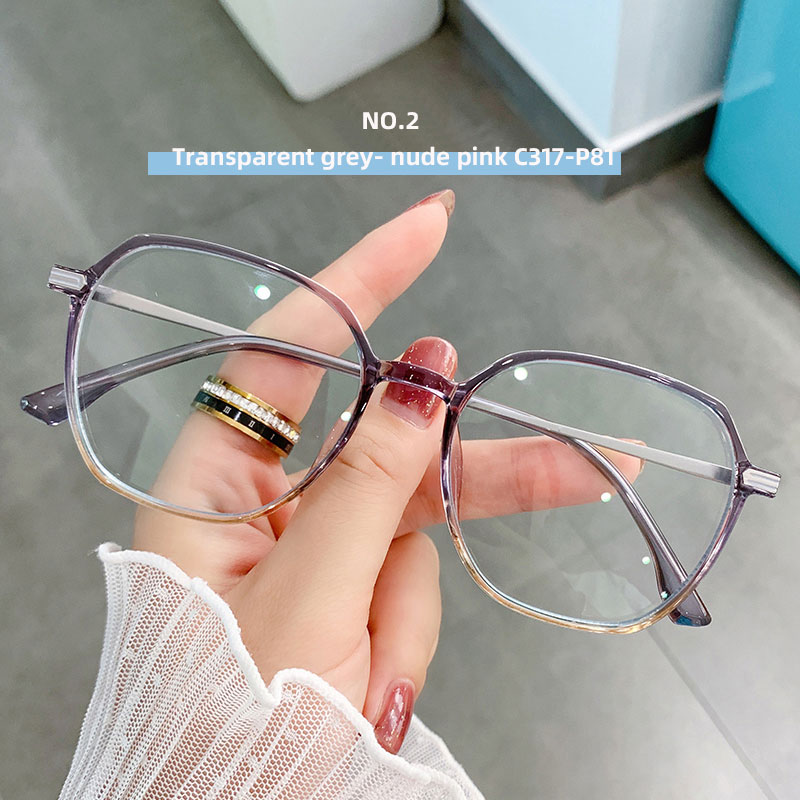
I recently tried a pair of Women Blue Light Blocking Reading Glasses from Mozaer. I was drawn to the TR90 frame and the promise of blue light blocking. Since I spend so much time staring at screens, I figured it couldn’t hurt. I must say, they are a big help. They are light and comfortable, and the magnification is just right for painting those tiny details. I feel like the blue light blocking also helps to reduce eye strain, especially during long painting sessions. Plus, they look pretty stylish, which is always a bonus.
Beyond lighting and vision correction, I also focused on improving my stability. I purchased a miniature painting handle, which provides a more comfortable and stable grip on the model. This has helped to reduce my hand tremors and allows me to paint with greater precision. I also make sure to take frequent breaks to rest my hands and eyes. It's tempting to keep painting until I finish a project, but I've learned that it's better to take breaks than to risk making mistakes due to fatigue.
Here's a summary of the solutions I've found most helpful:
Here's a simple table outlining the pros and cons of different vision correction methods for miniature painting: