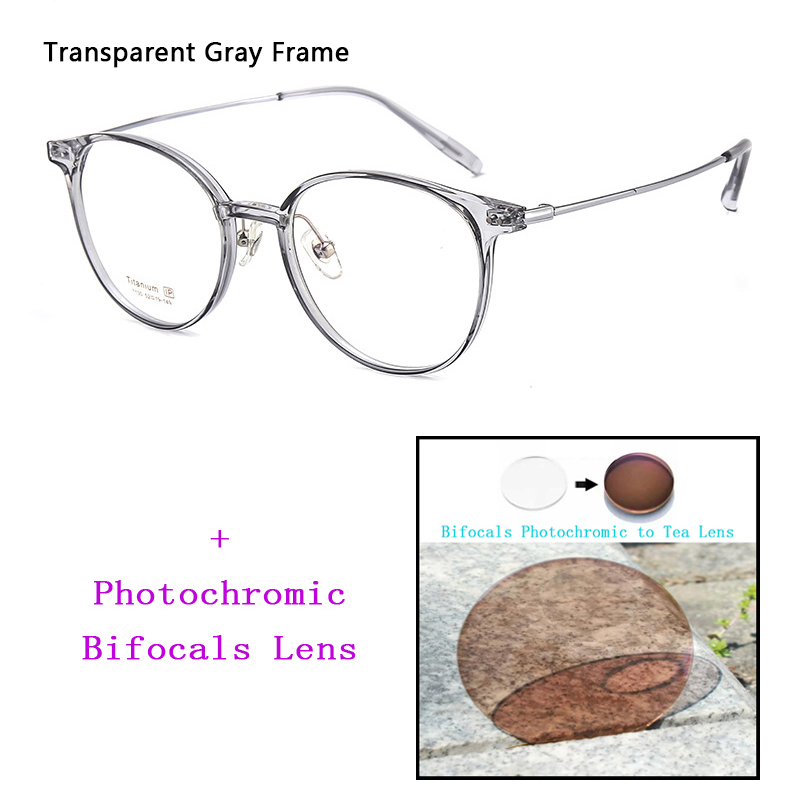
I required reading glasses that performed well both indoors and outdoors, and I wanted a single pair to avoid carrying multiple sets of lenses.
Initially, like many, I focused on price and assumed inexpensive glasses were a wise choice. That assumption proved wrong—it only led to frustration. I soon realized that spending slightly more upfront eliminates countless hassles down the line.
This is the story of how I moved from $20 low-quality glasses to finally owning reliable bifocals.
My initial $20 pair was made of plastic. They appeared decent online but only lasted three weeks.
The main issue with extremely cheap glasses is inconsistent quality. While you might occasionally get a usable pair, most are made from thin plastic with loose screws and lenses that aren't truly clear, often causing mild headaches after extended use.
For bifocal or progressive lenses, cheap options can be unsafe due to inaccurate focal points. Any promised anti-scratch coating tends to wear off within days.
Verdict: Avoid this price range for daily use—these are essentially disposable items.
I then upgraded to a $40 metal pair. They were sturdier and lasted about six months before becoming unusable, which was an improvement but still not ideal.
While the materials were better, these were still standard reading glasses. Going outside meant switching to sunglasses, and viewing distant objects required removing them entirely. This forced me to carry multiple pairs, defeating the goal of simplicity.
Mid-range glasses also tend to be heavy, with frames that press uncomfortably against the head. They may appear well-made initially but lack advanced materials like titanium, which significantly improves weight and long-term durability.