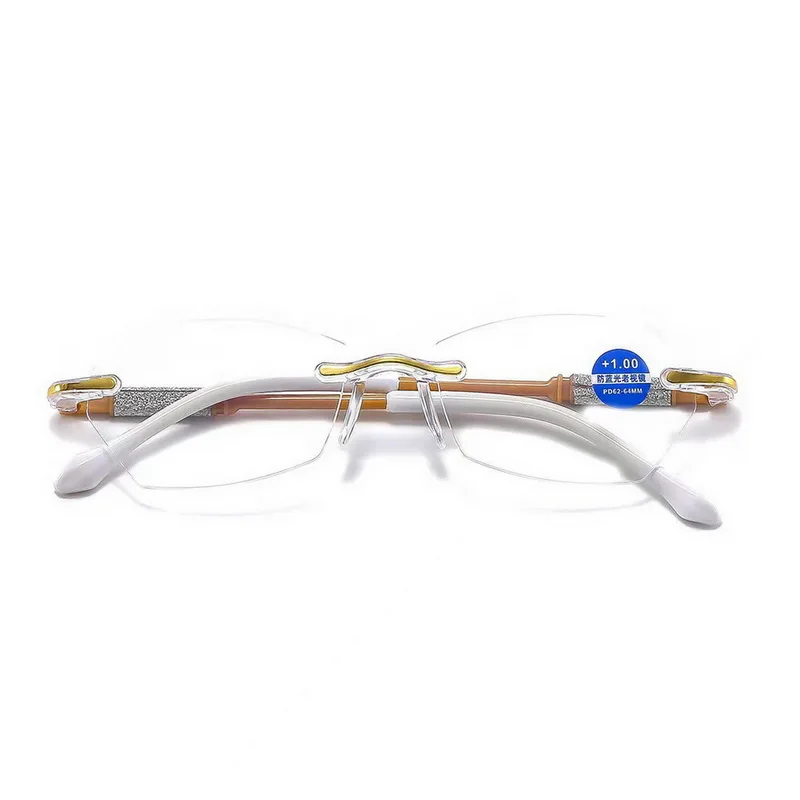
I needed reading glasses quickly. Since I spend hours in front of screens, I wanted an ultralight pair with blue-light protection. I hunted for the most affordable version of the best online reading glasses I could find. In my attempt to save money, I ended up wasting it in five different ways.
I made these significant mistakes so you can avoid the same pitfalls. Learn from my experience and skip the frustration.
I understand—we all want to save money. I came across frameless glasses advertised at unbelievably low prices. They appeared sleek and modern in the photos and were marketed as "ultralight," which typically suggests comfort. I thought I had found a bargain.
However, when you buy glasses for less than the price of a coffee, the material quality is poor. For frameless designs, the weakest points are the hinges and where the lenses attach to the arms. Without a frame to hold the lenses, these connections need to be robust. Mine were not.
Key Insight from Negative Reviews: A review I overlooked stated, "The arm snapped off the lens after just one week of gentle use. The metal is too thin."
Avoid my error. Extremely low prices usually mean thin, fragile materials that break easily. You'll likely need to replace them within a month.
Verdict: Invest an extra $10–$15 to ensure the glasses use titanium or reinforced composite materials, particularly at the hinges.
I specifically purchased glasses that promised "Anti Blue Light" protection. Since I work on a computer all day, this feature was essential. I assumed that if the listing mentioned it, it must be effective.
That was a big mistake. On very cheap lenses, blue-light protection is often just a thin coating hastily applied over low-quality plastic. These coatings have two major flaws:
Within two weeks, my lenses became blurry due to coating damage. My eyes still felt tired by the end of the day, meaning the coating was largely ineffective.
Key Insight from Negative Reviews: "The anti-blue light film rubbed off when I used the cleaning solution. Now I'm left with scratched, cheap lenses."
Verdict: Verify whether the coating is certified or if the lens material is polycarbonate. If the listing provides no details about the lens material, assume it's the cheapest plastic available.
While searching for the best online reading glasses, I only glanced at the average star rating (4.5 stars—impressive!). I noticed glowing reviews about shipping speed and customer service but didn't explore the one- and two-star reviews.